Astronauts Return to Earth: Swollen Eyeballs, Baby-Like Skin, and Mind-Blowing Side Effects
- Mar 15, 2025
- 3 min read
Updated: Apr 23, 2025
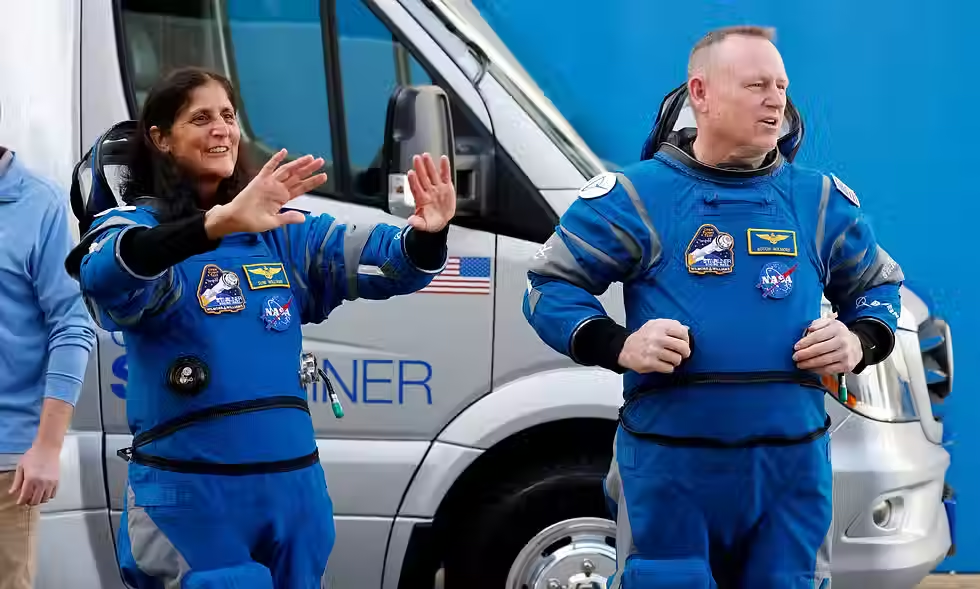
After spending months in space, astronauts face serious challenges when they return to Earth. The absence of gravity during their time in space has caused physical changes in their bodies. Gravity may seem like a drag, but spending long periods of time without its grounding force can wreak havoc on your body. On Friday, Nasa and SpaceX will launch the space agency’s Crew-10 mission to the International Space Station to retrieve astronauts Barry “Butch” Wilmore and Suni Williams, after what was meant to be an eight-day stay turned into nine months. The lack of gravity causes significant bone density loss and muscle weakening, including in your heart, which has to work less hard due to the lack of gravity.
As astronauts return to Earth, they can expect to experience severe muscle weakness and difficulty standing or walking. Their bodies will take time to readjust to the familiar pull of gravity.
Space Fluids and Eyeball Shape Changes
Fluids build up in astronauts’ heads during extended space travel, making them feel like they have a constant cold. Alan Duffy, an astrophysicist at Swinburne University, explains that the body's fluid distribution is altered in space. This also leads to changes in astronauts’ vision. The buildup of fluid in the head changes the shape of their eyeballs, weakening their eyesight.
After returning, astronauts will often need corrective glasses, even though they started with perfect vision. It’s a side effect that’s more common than people realize, and it can linger for years after their mission.
Getting Back in Shape After Space
When astronauts return, they undergo intense physiotherapy similar to what a coma patient would experience. According to Duffy, the reconditioning process is critical, as their bodies need time to recover and readjust. The physical therapy aims to strengthen their muscles and bones, which have weakened without the pull of gravity.
The process can be exhausting and takes a toll on their overall health. Astronauts also need to regain their balance and learn to walk again without difficulty.
Radiation in Space: It’s a Big Deal
One of the most significant risks of space travel is radiation exposure. In space, astronauts are exposed to high levels of radiation, increasing their risk of cancer and other health issues. Earth’s atmosphere usually protects us from this, but that shield isn’t available in space.
Radiation protection remains a top priority for scientists looking to send humans on longer missions, like trips to Mars or the Moon. The study of radiation’s long-term effects is still ongoing, and Wilmore and Williams may contribute to this crucial research.
The Emotional Rollercoaster of Returning Home
Returning from space isn't just a physical challenge; it’s a mental one too. Spending months in an isolated, extreme environment can lead to anxiety and depression. Brad Tucker, an astrophysicist at the Australian National University, explains that astronauts often face a difficult emotional adjustment when coming back to Earth.
This adjustment can include the overview effect, a powerful emotional experience that astronauts have when viewing Earth from space. It has led many to feel a deep connection to humanity and a profound realization of Earth’s fragility.
From Space to Ordinary Life: The Struggle is Real
After months of seeing Earth from above, astronauts often struggle with the transition back to their daily routines. The overview effect makes them feel a connection to the planet, but when they return, they face the mundane tasks of everyday life, like cooking breakfast or commuting to work.
It’s a stark contrast, and the adjustment can take time. Returning to such a normal routine can feel jarring after the grandeur of living in space for months on end.
